Showing 61-80 of 100 results
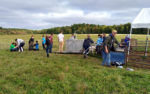
Maine leads project using winter ecology to manage small ruminant parasites
For many small ruminant operations, grazing is central to farm profitability. However, grazing livestock increases risks of losses due to parasite-infested pastures. Haemonchus contortus, Barber pole worm, is a particular threat to sheep and goat farms throughout the Northeast region. Although H. contortus (as a subtropical parasite) has adapted to northern climates, Jim Weber of […]
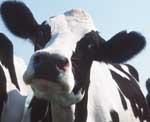
Developing a criteria to select colostrum samples of poor quality
Good colostrum management is essential to the health of newborn replacements and life-long profit.
2017 Northeast SARE Annual Report
A look back at the past 30 years of SARE and a look to the future. This edition includes a listing of 2017 project awards by state and includes a snapshot of program results.
Oyster Mushroom Cultivation in the Northeast United States
Guide to oyster mushroom production using straw cultivation.
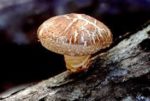
Testing the use of spent brewery grain in three mushroom species
What is the effect of spent brewery grain in the production process of three mushroom species?
Minimizing the risks of Vibrio bacteria in farm-raised oysters grown in intertidal elements of the Delaware Bay
New Jersey’s oyster farms are concentrated on the extensive intertidal sand flats of the lower Delaware Bay where they are exposed twice daily during low tide. Previous studies from the Pacific Northwest indicate that intertidal exposure accelerates the proliferation of Vibrios, increasing the risk to human health.
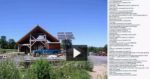
Powering Your Farm Off-the-Grid
Is it possible to operate a farm off-the-grid, and what are the challenges and opportunities? Raymond Luhrman will take you on a virtual tour of Fox Creek Farm and describe how his family operates their 350 member Community Supported Agriculture operation from electricity produced right on site. This webinar is part of the New Generation Energy Webinar Series, partially funded by the Northeast SARE's New York Professional Development Program.
Dreaming of Local Lemons: Solar Energy Virtual Tour
Summit Naturals Organic Farm has a high tunnel and greenhouse, whose active solar heating systems allow them to grow greens throughout the winter and tropical fruits such as oranges, lemons, pineapples and figs. This webinar is part of the New Generation Energy Webinar Series, partially funded by the Northeast SARE's New York Professional Development Program.
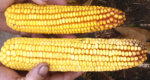
Adapt-N Training Manual
Adapt-N is an online tool that helps precisely manage nitrogen (N) inputs for grain, silage, and sweet corn production. It can provide automatic daily updates of each field’s N status and recommendations, based on real-time weather influences, and can be used with any device with internet access.
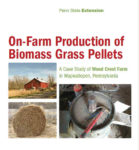
On-Farm Production of Biomass Grass Pellets
A case study of Wood Crest Farm in Wapwallopen, Pennsylvania
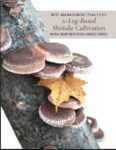
Log-Based Shiitake Cultivation
A 57-page guide to producing these gourmet mushrooms.
Consumer attitudes and purchasing decisions
Covers consumer trends and concerns.
Pricing the beef carcass
Smart pricing, hidden costs, keeping up with changes in the market, and more.
Quality grade
Marbling, maturity, nutrition, and the distribution of quality grading in the U.S.
Sires for grass-fed beef production
Criteria for genetic selection, the importance of grass quality, breeds, benchmarks, and more.
Understanding beef labels
Labeling basics, labeling requirements, applying for labels, labeling examples, and more.
Selection for meat quality
Planning for a specific market, choosing replacement heifers, genetics, crossbreeding, and more.
Working with the processor
Information for the processor, planning to harvest, USDA facilities, packaging, and more.
Hedgeapple Farm
Hedgeapple Farm sells grass-fed Black Angus beef in Buckeystown, Maryland.
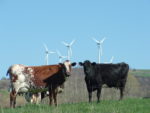
Organic parasite control
Signs of parasites, prevention, National Organic Program standards, and more.